Posts

πŸ“šπŸ§  Effective Study Techniques for Students

Image
  πŸ“šπŸ§  Effective Study Techniques for Students Studying smart is just as important as studying hard. Using the right techniques can improve understanding, memory, and exam performance . Below are some scientifically backed, practical, and easy-to-use study strategies: 🧩 Top Study Techniques 1. Active Recall Test yourself instead of just re-reading. Use flashcards, quizzes, or recall key points from memory. Example: Cover your notes and try to write or say everything you remember. 2. Spaced Repetition Review material over increasing intervals of time. Use tools like Anki , Quizlet , or a revision schedule. Helps long-term retention by fighting forgetting. 3. Pomodoro Technique Study in short, focused bursts (e.g., 25 mins study, 5 mins break). After 4 cycles, take a longer break. Prevents burnout and boosts concentration. 4. Mind Mapping Visual method to connect ideas and concepts. Useful for complex subjects like biology, history, or p...

πŸŒπŸ‘©‍🏫 Cross-Cultural Teacher Training: Teaching in a Globalized World

Image
  πŸŒπŸ‘©‍🏫 Cross-Cultural Teacher Training: Teaching in a Globalized World Cross-cultural teacher training prepares educators to understand, adapt to, and effectively teach in multicultural and international classroom environments . As classrooms become more diverse—linguistically, socially, and culturally—teachers need skills to create inclusive, respectful, and responsive learning spaces . 🎯 Goals of Cross-Cultural Teacher Training Develop cultural awareness and sensitivity. Understand diverse learning styles and backgrounds. Prevent biases and stereotypes in teaching. Promote equity, empathy, and global citizenship . Adapt curriculum and pedagogy for multilingual/multicultural contexts . 🧩 Key Components of Cross-Cultural Training Component Description 🧠 Cultural Competence Ability to understand, respect, and work with students from diverse backgrounds. πŸ—£️ Intercultural Communication Training to communicate clearly, avoiding language and cultural mi...

πŸ§‘‍🏫✨ Teacher Autonomy: Empowering Educators for Better Teaching

Image
  πŸ§‘‍🏫✨ Teacher Autonomy: Empowering Educators for Better Teaching Teacher autonomy refers to the freedom and professional independence that teachers have to make decisions about their teaching practices, classroom management, and professional development. It is a key factor in improving both teaching quality and job satisfaction . 🧩 Dimensions of Teacher Autonomy Aspect Description Curricular Autonomy Freedom to choose or adapt textbooks, content, and teaching methods. Instructional Autonomy Control over how lessons are taught (e.g., using group work, debates, projects). Assessment Autonomy Flexibility in designing tests, assignments, and evaluation techniques. Professional Autonomy Decision-making in personal development, collaborations, and leadership roles. Classroom Management Autonomy Freedom to set rules, manage time, and organize the learning environment. ✅ Benefits of Teacher Autonomy Improves Teaching Quality → Encourages innovation, adaptability, and respons...

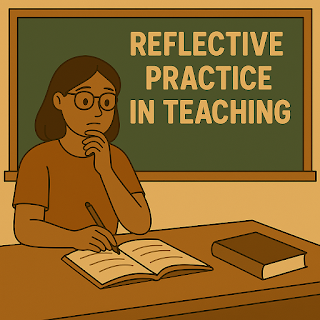
Reflective practice in teaching

Image
Reflective Practice in Teaching Reflective practice is the process by which teachers critically examine their teaching methods, decisions, and outcomes to continuously improve their effectiveness in the classroom. It turns everyday experiences into opportunities for growth. πŸ” What Is Reflective Practice? “Reflection is the heart of effective teaching.” – Donald SchΓΆn Reflective practice involves thinking deeply about: What worked well? What didn’t work? Why did students struggle or succeed? How can I do better next time? 🧠 Types of Reflection Type Description Reflection-in-action Thinking while teaching and making immediate changes. Reflection-on-action Thinking after a lesson to review what went well or poorly. Reflection-for-action Thinking before teaching to plan improvements for next time. πŸ“‹ Steps in Reflective Practice Describe the teaching event or experience. Analyze what happened and why. Evaluate the strengths and weaknesses. Dec...

πŸ€–πŸ“š Teachers Using AI Tools: Enhancing Modern Education

Image
πŸ€–πŸ“š Teachers Using AI Tools: Enhancing Modern Education AI is transforming education, and teachers are now using AI tools to become more efficient, creative, and student-centered. These tools assist in everything from lesson planning to grading , personalized learning , and classroom management . πŸ› ️ Common AI Tools Teachers Use Tool Type Example Tools Use in Teaching Content Creation ChatGPT, Canva AI, MagicSchool.ai Generate lesson plans, quizzes, summaries, and learning materials. Assessment & Grading Gradescope, Quizizz, Google Forms (AI-enhanced) Auto-grade MCQs, generate feedback, analyze class performance. Language & Writing Help Grammarly, Quillbot, Google Translate Improve student writing, assist in multi-language classrooms. Classroom Management ClassDojo, Edmodo (AI features) Track behavior, communicate with parents, reward systems. Personalized Learning Khan Academy (AI coach), Century Tech Tailor lessons to student pace, style, and ability. Student Support R...

πŸ‘©‍πŸ«πŸ‘¨‍🏫 Gender Bias in the Teaching Profession

Image
πŸ‘©‍πŸ«πŸ‘¨‍🏫 Gender Bias in the Teaching Profession Gender bias in the teaching profession refers to the unequal treatment, expectations, and opportunities based on gender. Although teaching is often seen as a “noble” and “equal” profession, deep-rooted biases still persist —affecting hiring, roles, leadership, and classroom dynamics. πŸ” Types of Gender Bias in Teaching 1. Occupational Segregation Women dominate primary and pre-primary teaching , while men are more common in higher education, administration, and leadership roles. Example: Most principals and education officers are male, even in schools with mostly female staff. 2. Pay and Promotion Gaps In many regions, male teachers are promoted faster , especially to managerial roles. Women are underrepresented in policymaking bodies , despite being the majority in school teaching. 3. Stereotyping of Subjects Female teachers are often assigned to language, arts, or early childhood . Male teachers tend to get math, s...

πŸ‘©‍🏫 Leadership Roles for Educators

Image
  πŸ‘©‍🏫 Leadership Roles for Educators Educators are not just knowledge providers—they also serve as leaders within schools, communities, and the broader educational system. Leadership roles help improve teaching quality, drive innovation, and influence education policy. 🌟 Key Leadership Roles for Educators 1. Instructional Leader Guides teaching and learning strategies in the classroom. Helps peers adopt new pedagogies and tools. Leads curriculum development and subject planning. 2. Mentor Teacher Supports and coaches new or trainee teachers. Shares best practices and conducts peer observations. Offers feedback and helps in professional development. 3. Head of Department (HoD) Leads subject-specific teams (e.g., Math, English). Coordinates lesson planning, assessments, and student results. Organizes workshops, reviews teaching materials, and ensures quality. 4. School Coordinator / Academic Coordinator Acts as a link between school lead...

Teaching internships

Image
  πŸ‘©‍🏫 Teaching Internships: A Complete Overview Teaching internships are structured programs where aspiring educators gain hands-on experience by working in real classrooms under the guidance of experienced teachers. They are a crucial part of teacher training programs like B.Ed , D.El.Ed , and M.Ed . πŸŽ“ Objectives of Teaching Internships Apply theoretical knowledge in real teaching scenarios. Develop classroom management and communication skills. Understand student psychology and diversity . Practice lesson planning , assessment, and evaluation. Build confidence and a professional teaching identity . 🧩 Types of Teaching Internships Type Description Pre-service Internship For B.Ed/D.El.Ed/M.Ed students during the course. Usually lasts from 4 to 20 weeks. In-service Internship For untrained teachers already teaching; part of professional development. Voluntary Internship For students pursuing other degrees (BA, MA, etc.) who want to explore teaching. On...